
How to plan a digital marketing campaign: one goal, six decisions, launch day
Six decisions before anything goes public: the goal, the audience, the message, the channels, the schedule and what we will measure.

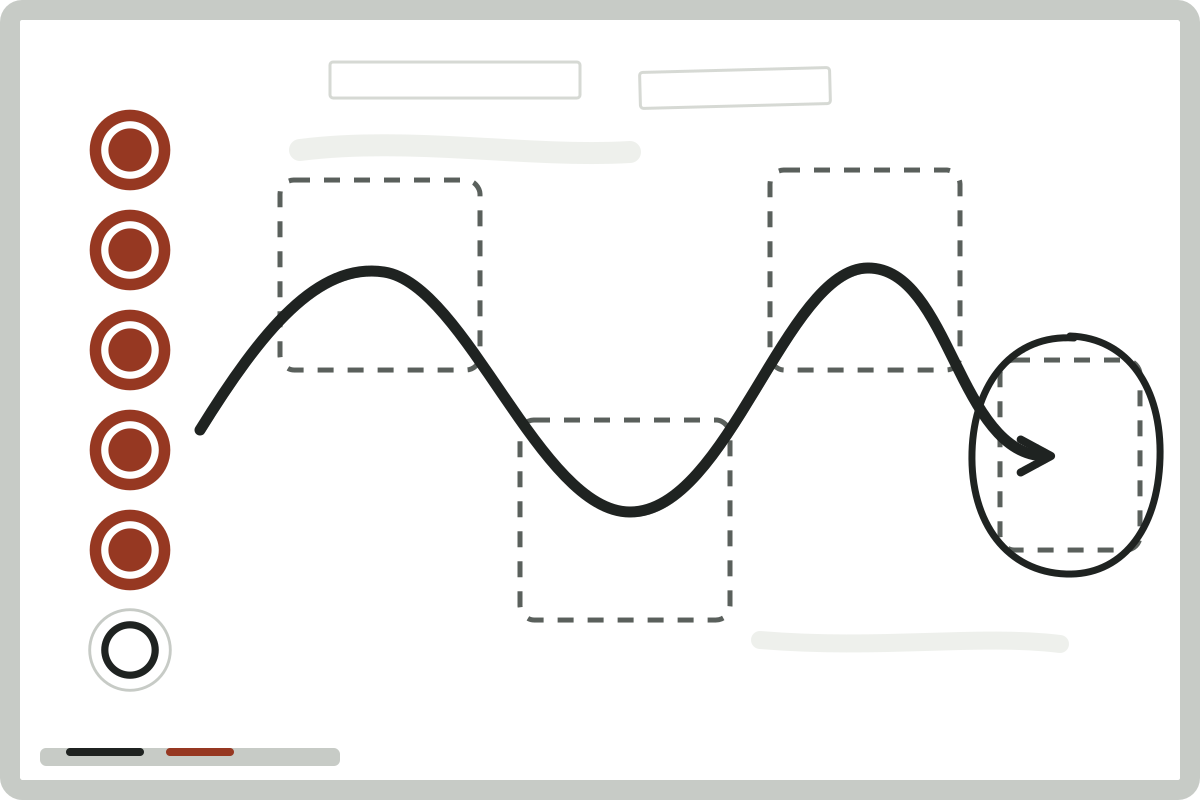
A campaign goes public on one day, but most of it is decided in the weeks before. Before we write a post or open an advertising account, we gather at the board and make six decisions.
This guide takes them in order and stops on launch day. Reading the numbers afterwards is another plan.
Our example all the way through is a repair café planning its open day, where neighbours bring something broken and fix it with a volunteer. The café, its numbers and its dates are an illustration, not a forecast.
The plan fits on one board
A campaign plan is six decisions, made in order and written where the whole team can see them. Each one leans on the one before: we cannot pick channels before we know who we are talking to.
- The goal. One outcome we can observe, with a number and a date.
- The audience. Who the campaign is for, and the moment they are in.
- The message. One sentence that every channel repeats.
- The channels. Which ones play, and the role of each.
- The schedule. What must be ready, who prepares it and by when.
- The measurement. Which action counts, and where each number comes from.
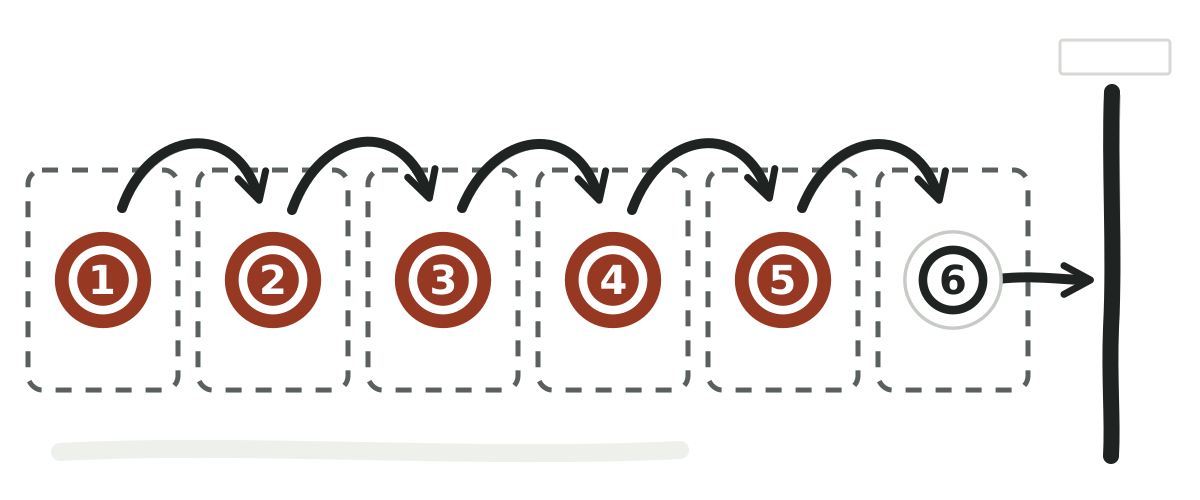
In 1981 George T. Doran put it this way in Management Review:
It is the combination of the objective and its action plan that is really important.
George T. Doran, Management Review, November 1981
The goal is our first decision. The other five are its plan.
We start with one goal
A goal is something the team can see happen: visits to a page, enquiries by email, sign-ups from people who asked to hear from us. We pick one. A second goal is a second campaign, with a board of its own.
Doran’s article gives five checks for writing it: Specific, Measurable, Assignable, Realistic and Time-related. Those are his 1981 words; later versions of the acronym changed some of them. Measurable, he writes, means “quantify or at least suggest an indicator of progress”, and he does not expect every objective to meet all five. We still try for all five.
Table 1. A goal as first said and as written. Every figure on the right is an illustration.
| Check | As first said | As written (an illustration) |
|---|---|---|
| Specific | More people at the open day | Enquiries about the open day, sent from its page |
| Measurable | A good turnout | 30 enquiries, counted in our analytics tool |
| Assignable | Someone will post about it | The person who looks after the website prepares the page |
| Realistic | As many as we can get | A number based on earlier open days and the team’s hours |
| Time-related | Soon | In the four weeks before the open day |
The advertising platforms ask the same question. On 16 November 2026, the Google Ads help pages say the objective should match the main thing we want from the campaign, and that Performance Max, Demand Gen and Video campaigns cannot have it edited afterwards. LinkedIn groups its objectives into awareness, consideration and conversions. Meta reduced its objectives to six in 2021: Awareness, Traffic, Engagement, Leads, App Promotion and Sales.
Who we are talking to
We describe the people in four lines: what they need, what they ask, where they are online, and the moment they are in. Someone who has never heard of the café needs to learn that it exists. Someone who wrote to it last month needs the date.
The Nielsen Norman Group says a persona has to rest on research, not guesses, and its journey maps follow a person through the phases of reaching a goal. So we keep only the details that change a decision, taken from what people have already done: the questions the café receives, the pages people read.
For the café, as an illustration: people need a place to take a chair with a loose leg; they ask when it is and what to bring; they look in neighbourhood groups and event listings; most have never been.
Each platform documents its own audience settings; our plan describes people in words.
One message, said plainly
The message is one sentence: what we offer, for whom, and the one thing we ask people to do. For the café, as an illustration: Bring one broken thing to our open day and fix it with a volunteer; write to us with any question. Every channel repeats it in its own form.
On our board the message comes with three plain rules. We say only what we can back up on the day we say it. We leave out nothing that changes how the message reads. And we let marketing look like marketing. Each platform’s own rules apply too, and each documents them.
We write for people first, in Google Search Central’s phrase: a page title that says what the page is, clear headings, link text that says where it leads. Before launch the campaign page goes through the W3C’s Easy Checks, a quick first review: page title, image text alternatives, headings, contrast, keyboard focus, zoom and form labels. The aim is a page everyone can use, with a keyboard, a screen reader or a zoomed screen.
Give each channel a role
On our board the channels are six counters, each with a single role. A channel without a role in this campaign stays on the bench.
Table 2. The six channels: their role, what we prepare and what we agree to count.
| No. | Channel | Role | We prepare | We count |
|---|---|---|---|---|
| 1 | Search | Answers a question people already type | The page’s title, headings and text, first | Visits grouped as Organic Search |
| 2 | Content | Gives people something worth reading | The open-day page | Visits to the page; the key event |
| 3 | Speaks to people who asked to hear from us | The permission list; two emails | Visits grouped as Email | |
| 4 | Social media | Starts the conversation | Posts for the weeks of the schedule | Visits grouped as Organic Social |
| 5 | Paid advertising | Reaches people who do not know us yet | The objective, the ads, the spending line | Visits grouped as Paid Search or Paid Social |
| 6 | Analytics | Keeps the count in one place | The key event, the link names, the baseline | Nothing of its own |
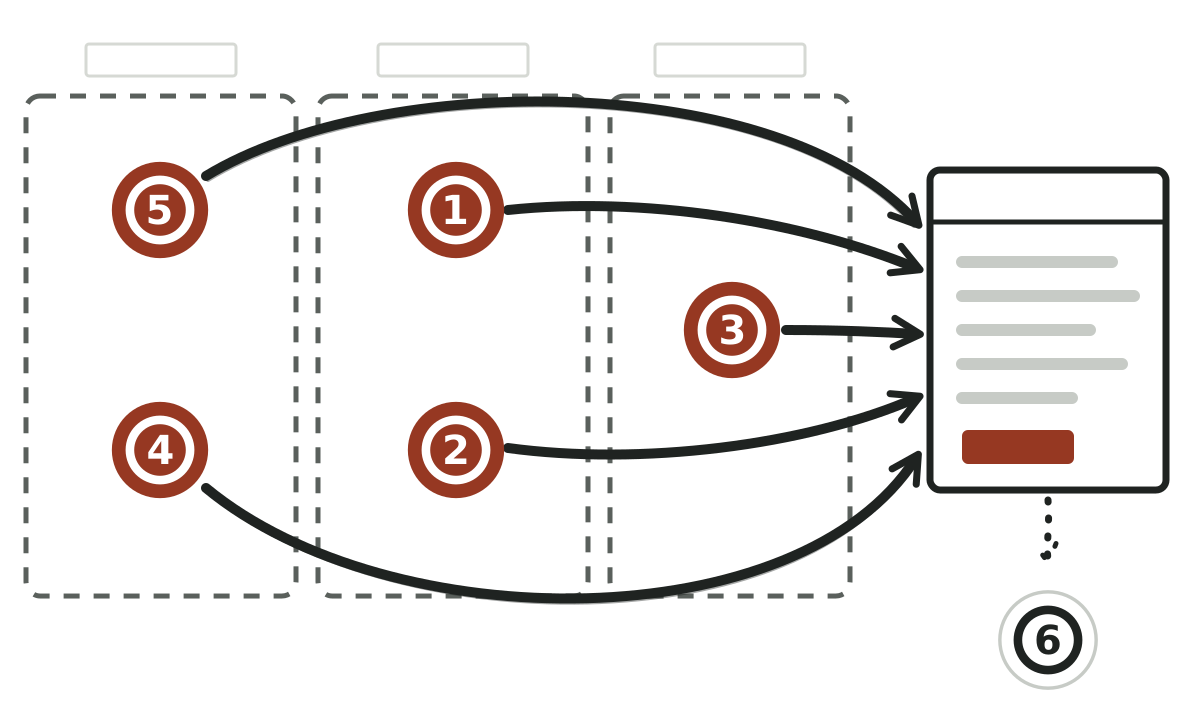
Three channels need lead time. Search is slow: Google’s SEO Starter Guide says some changes take effect in a few hours and others take several months, and nothing promises a page a place in the results. Email goes only to people who asked for it: Mailchimp’s help pages, as one tool’s example, define permission as express, verifiable consent. Other email tools have equivalent rules. Paid advertising needs time for review.
We name channels as the analytics tool will: Google Analytics sorts visits into rule-based channel groups such as Organic Search, Paid Social, Email and Referral.
Put it on a schedule
We work back from launch day. For every item, from the page to the ads, the board says who prepares it and by when: Doran’s assignable and time-related checks.
The platform reviews each ad before it runs; the Google Ads help pages say most are reviewed within one business day, some take longer, and editing an ad starts the review again. A newly marked key event can take up to 24 hours to reach Google Analytics’ standard reports. So ads and the count are ready days ahead.
The spending line is a figure the team decides, spread over the weeks the ads run and entered in the platform’s campaign settings; Google Ads, for example, uses an average daily budget. This guide gives no figure.
The café’s countdown, as an illustration:
- Three weeks before launch, the page’s text goes up, so search has time.
- Two weeks before, emails and posts are written, links named, and the key event marked and tested.
- One week before, the ads go in for review and the page passes the quick check.
- Two days before, every ad shows as approved and every link has been clicked once.
- On launch day, we run the last check and publish.
Two more dates go in now: the halfway check after week two, and the review after the open day.
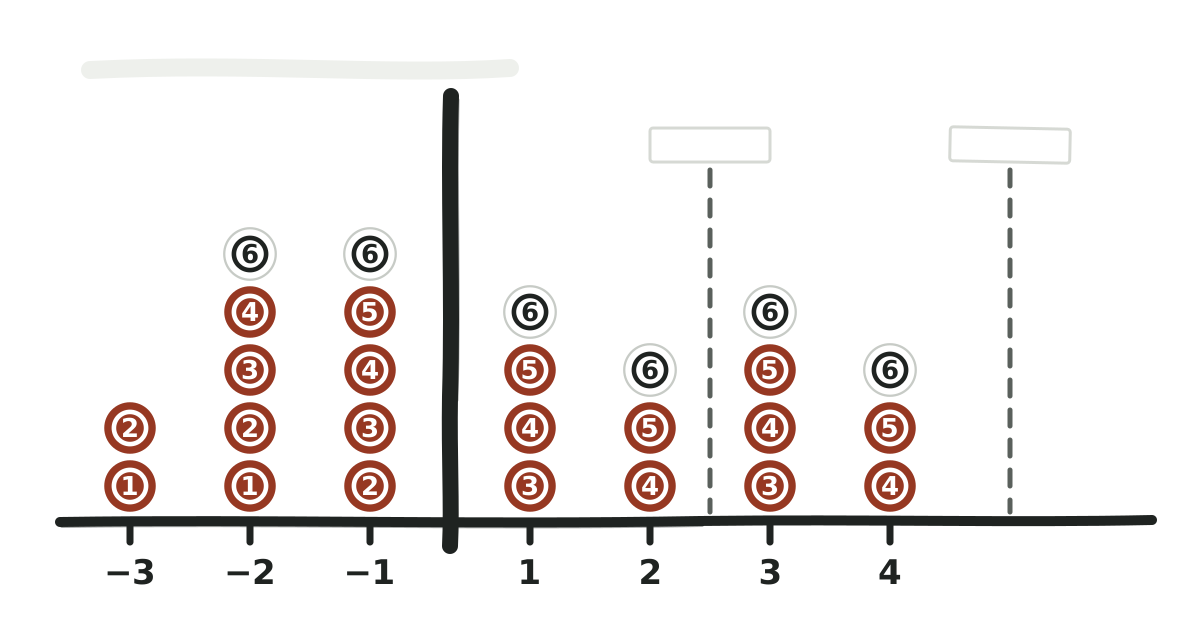
Decide what we will measure, before launch
We decide the count now, because some counts only start once they are set up.
Which action counts. The one in the goal. Google Analytics calls it a key event: an event that measures an action particularly important to a business. A key event counts from the moment it is marked; in the help page’s words, “It doesn’t change historic data.” On 16 November 2026 a standard property can mark up to 30. For the café, it is a click on the email link on the open-day page.
Where each number comes from. One place per number: the analytics tool for visits and the key event, the email tool for emails, each platform for its ads.
The names on our links. Every link we publish carries the source, the medium and the campaign name, the names Google Analytics’ URL builder uses. We agree them once: one source per platform, one medium per channel, one campaign name. Values are case sensitive and missing ones show as “(not set)”, so we copy them, never retype them.
A baseline. Today’s figure for the same action over a comparable period. If there is none, the first week becomes the baseline.
Halfway and after. The halfway check looks at the result and one or two signs on the way, such as page visits. We agree now what may change then (an ad’s wording, a post’s day) and what stays fixed: the goal. For the review we write the questions: did we reach the goal, did each channel play its role, what would we change? Reading the reports is another guide.
- Objective
- An advertising platform’s name for a campaign’s goal.
- Key event
- An action marked as important in Google Analytics, counted from that moment on.
- Link names
- The source, the medium and the campaign name on each link we publish.
- Baseline
- The figure for the same action before the campaign.
Launch day: the last check
On launch day we go through one list together. Nothing goes public until every line is ticked.
- The page is live and passes the quick check.
- Every link carries its three names and has been clicked once.
- A test click shows the key event in the Realtime report.
- Each ad shows as approved in its platform.
- The email goes only to the permission list.
- Everyone knows their part and the dates of the halfway check and the review.
Then we publish. On the first day we check that everything works and change nothing in the plan; changes wait for the halfway check.
Questions from the bench
Do we need all six channels?
No. Each channel in the plan needs a role. One without a role stays on the bench.
What if we have no past numbers?
The campaign’s first week is the baseline. Key events are not counted backwards, so there is nothing earlier to recover.
Can we change the goal once the campaign is running?
Not in this plan: a new goal is a new campaign. Some platforms lock the objective too, as Google Ads does for Performance Max, Demand Gen and Video campaigns.
How long before launch do we start?
As early as the slowest channel needs. Search changes can take months to show; most ads are reviewed within a business day.
How much do we set aside for paid advertising?
A figure the team decides. This guide gives none, because it depends on the campaign, the platform and the period.
Sources
- George T. Doran, “There’s a S.M.A.R.T. way to write management’s goals and objectives”, Management Review, volume 70, number 11 (AMA Forum), November 1981, pages 35–36.
- Google Ads Help, About campaign objectives in Google Ads, seen 16 November 2026.
- Google Ads Help, About the ad review process, seen 16 November 2026.
- Google Ads Help, About average daily budgets, seen 16 November 2026.
- LinkedIn Marketing Solutions Help, “Marketing objectives available for your ad campaigns”, seen 16 November 2026.
- Meta for Developers, “Simplifying campaign objectives with Outcome-Driven Ad Experiences”, Haoming Liu, 21 December 2021, seen 16 November 2026.
- Google Analytics Help, About key events and Mark events as key events, seen 16 November 2026.
- Google Analytics Help, URL builders: Collect campaign data with custom URLs, seen 16 November 2026.
- Google Analytics Help, Default channel group, seen 16 November 2026.
- Google Search Central, SEO Starter Guide and Creating helpful, reliable, people-first content, seen 16 November 2026.
- W3C Web Accessibility Initiative, Easy Checks – A First Review of Web Accessibility, updated 21 March 2024, seen 16 November 2026.
- Mailchimp Help, The Importance of Permission, seen 16 November 2026.
- Nielsen Norman Group, Personas Make Users Memorable, Taylor Dykes, 3 October 2025, seen 16 November 2026.
- Nielsen Norman Group, Journey Mapping 101, seen 16 November 2026.
How we choose, cite and correct our sources is set out in our editorial policy.
Vestiario at the whiteboard
Editorial team
Vestiario at the whiteboard is how we sign the plans on this website. We work from the platforms’ and tools’ own documentation, name every source with the date we read it, and correct or update a guide as soon as we find something that has changed.